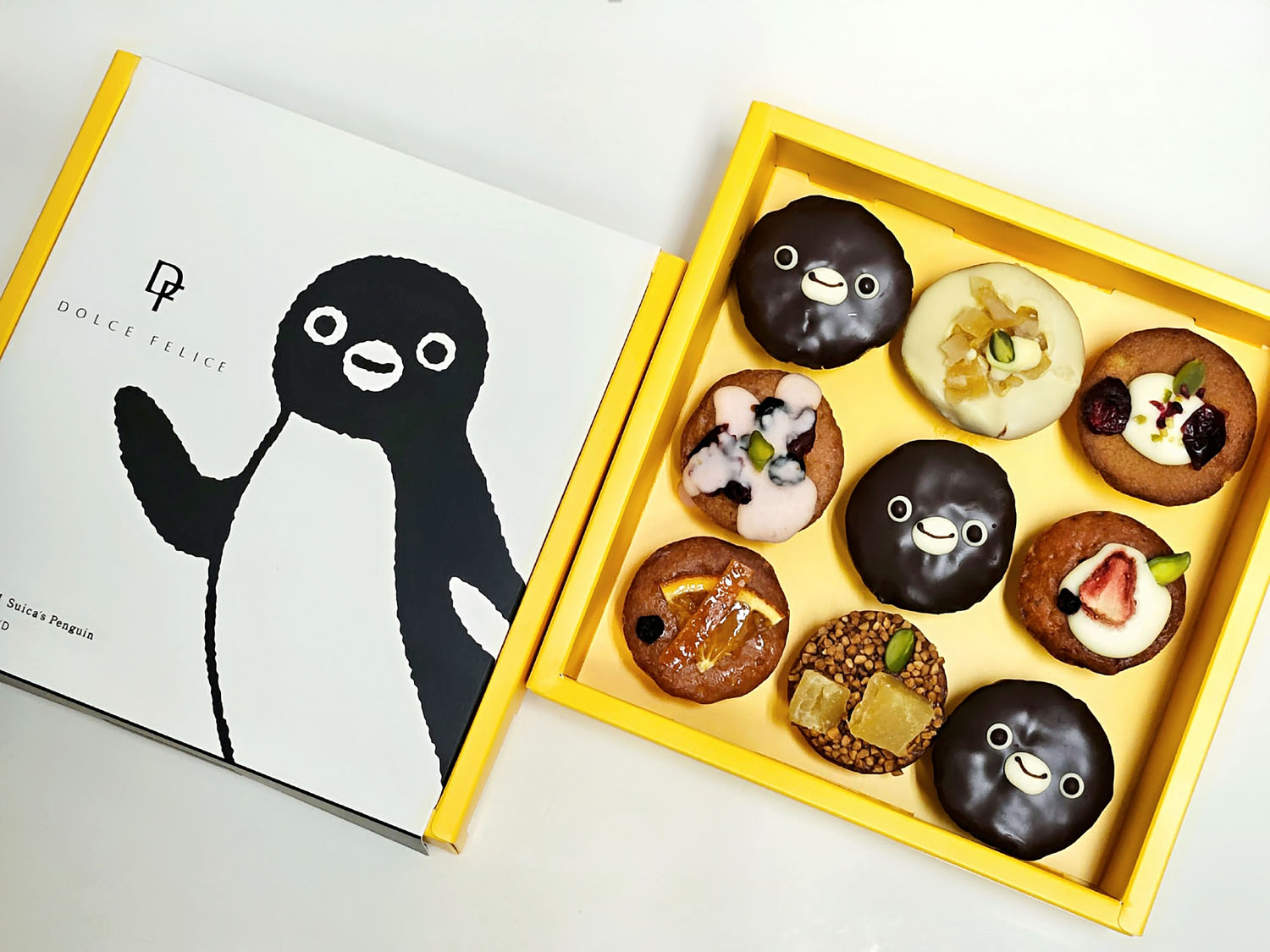
Japan’s Convenience Store Culture: A Social Microcosm
In Japan, convenience stores—konbini—are far more than simple retail outlets. They are an essential part of the nation’s everyday infrastructure. It is nearly impossible to walk past one without feeling the impulse to step inside, often resulting in spontaneous, unplanned purchases. Defined by powerful brands, extraordinary density, and a wide array of services, konbini culture offers a revealing snapshot of modern Japanese society.
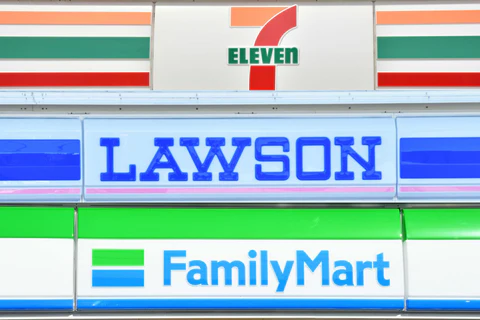
The Reign of the “Big Three”
Japan’s convenience store industry is dominated by three major players: 7-Eleven, Lawson, and FamilyMart. Although all three brands originated or expanded overseas, their operations within Japan have evolved into an exceptionally sophisticated and localized system.
7-Eleven, known in Japanese as Sebun-Irebun, originated in the United States but achieved its greatest success in Japan. Introduced in 1974 by Ito-Yokado, the brand originally operated from 7 a.m. to 11 p.m., as its name suggests. By 1975, however, it had adopted a 24-hour model. Today, 7-Eleven operates approximately 16,000 stores nationwide.

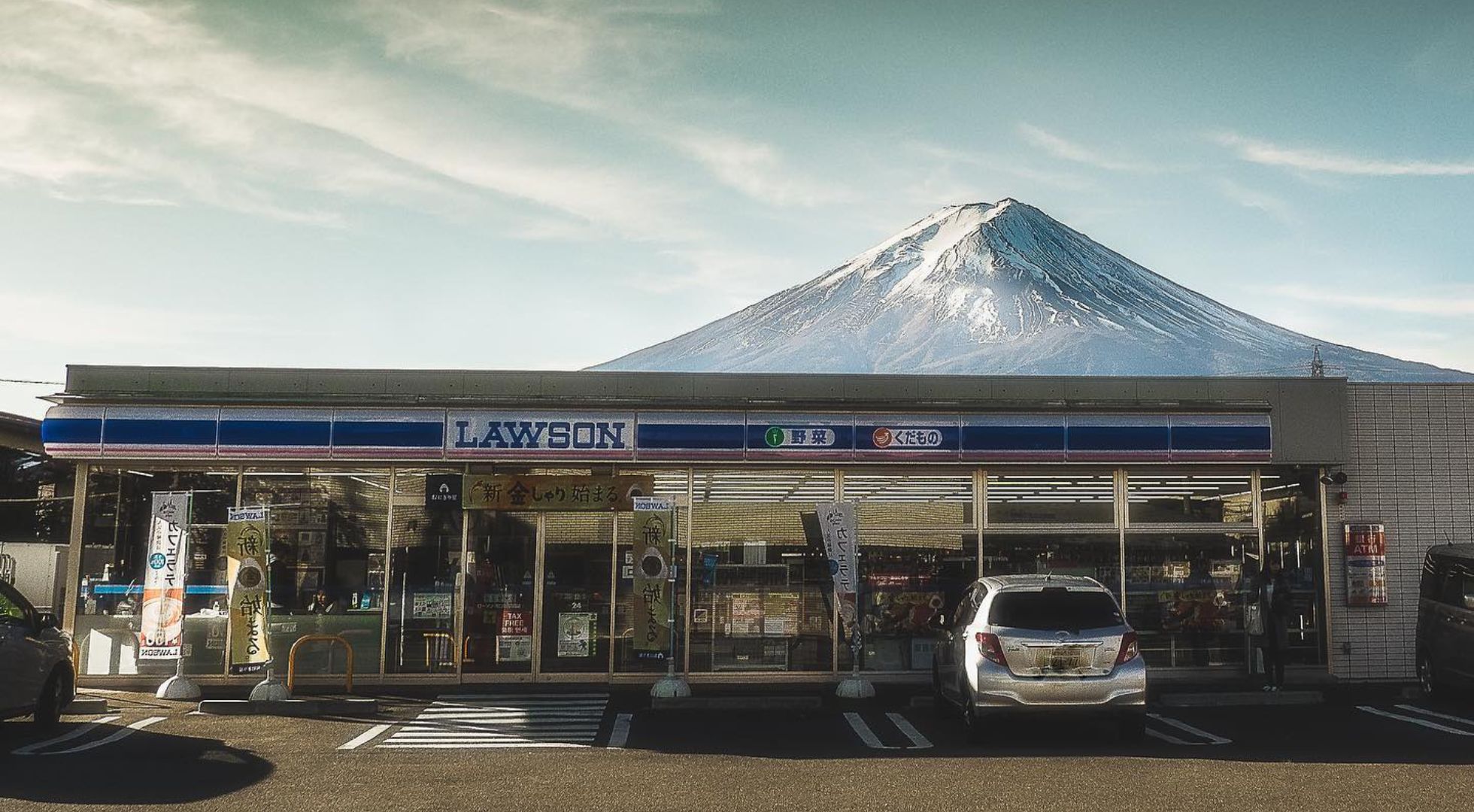
Lawson also traces its roots to the United States, beginning as a milk shop before partnering with the Japanese supermarket chain Daiei in 1975. Over time, Lawson expanded far beyond standard retail, offering banking services, ticketing, and even cinema reservations. It also operates several specialized formats, including Seijo Ishii, which focuses on premium, high-quality ready-to-eat foods, and Natural Lawson, which emphasizes organic and health-conscious products tailored to office workers in business districts.
FamilyMart, or Famirimāto, opened its first experimental store in Saitama Prefecture in 1973. By 1986, it had surpassed 1,000 locations, and by the mid-1990s, it firmly joined the ranks of the “Big Three.” As of 2019, the chain operated approximately 16,426 stores nationwide. FamilyMart is especially famous for its iconic entrance jingle, which has become deeply embedded in ACG (Anime, Comics, and Games) culture.

Beyond these giants, smaller chains such as NewDays, Mini Stop, and Daily Yamazaki continue to survive by targeting niche markets and offering differentiated products.

Strategic Density and “Small Yet Complete” Inventories
One of the defining characteristics of Japanese konbini is their remarkable density. In major urban hubs such as Shinjuku Station, it is possible to find more than 50 convenience stores within a relatively small radius—roughly 19 7-Elevens, 18 Lawsons, and 20 FamilyMarts.
This concentration is the result of a deliberate “focused opening” strategy, in which brands saturate an area to establish market dominance. While this benefits consumers through convenience and choice, it often creates severe pressure for franchise owners, who must compete directly with nearby stores of the same brand. In many cases, franchisees have little room to object to these decisions imposed by headquarters.
Despite their compact size, konbini interiors are meticulously optimized to be “small yet complete.” Shelves are stocked with essentials ranging from face masks, skincare products, and stationery to stockings and underwear. Most items are sold in small portions or travel-sized packages, catering to the immediate needs of urban workers—whether it is a late-night snack, a can of beer, or a pack of cigarettes.
An Urban Canteen for Daily Life
For many residents, convenience stores function as a modern “urban canteen.” Thanks to highly advanced logistics systems, food is constantly replenished and remains fresh.
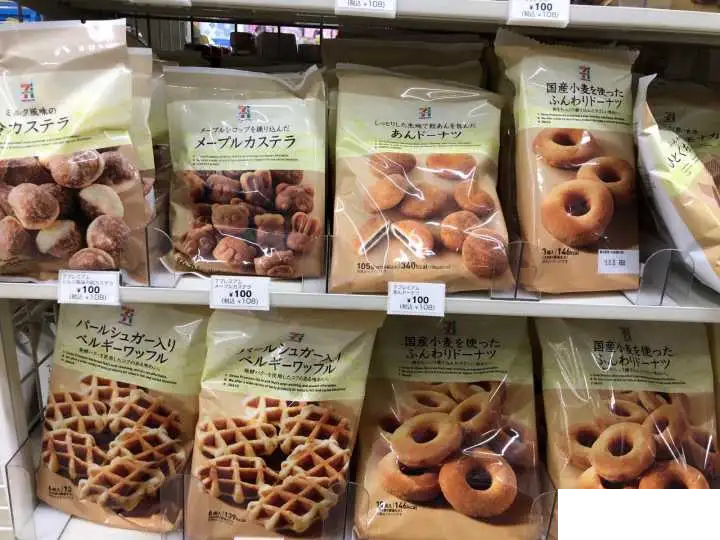
The selection is extensive:
Cold items: onigiri (rice balls), sushi, soba noodles, and chilled noodles
Hot meals: omurice, gyudon (beef bowls), curry rice, and mapo tofu
Health-focused options: salads, yogurt, and pudding

This ecosystem has given rise to a passionate “fan culture,” with customers ranking new releases and debating which chain produces the best meals. The system caters especially well to people who relocate to Tokyo for work and have limited time for grocery shopping or cooking. Stores offer pre-washed, pre-cut vegetables in small portions, single eggs, or even individual pieces of fruit, perfectly suited for those living alone.

Frozen desserts are another major attraction. In Japan, premium ice creams such as Häagen-Dazs are often significantly cheaper than in other markets and frequently appear in limited-edition flavors. A Lotte Sou ice cream may cost under 10 RMB in Japan, compared to roughly 3 USD elsewhere. Nostalgic treats, such as a 90-yen milk bar (around 5 RMB), remain popular, and many stores even sell ready-made ice blocks for customers to use at home with beer or spirits.
Multifunctionality and the “Adult” Section
Beyond food and retail, konbini operate as comprehensive service hubs. Multi-function machines allow customers to print documents, pay bills, and purchase tickets for concerts, sporting events, theme parks, and museums such as Disney and the Ghibli Museum.
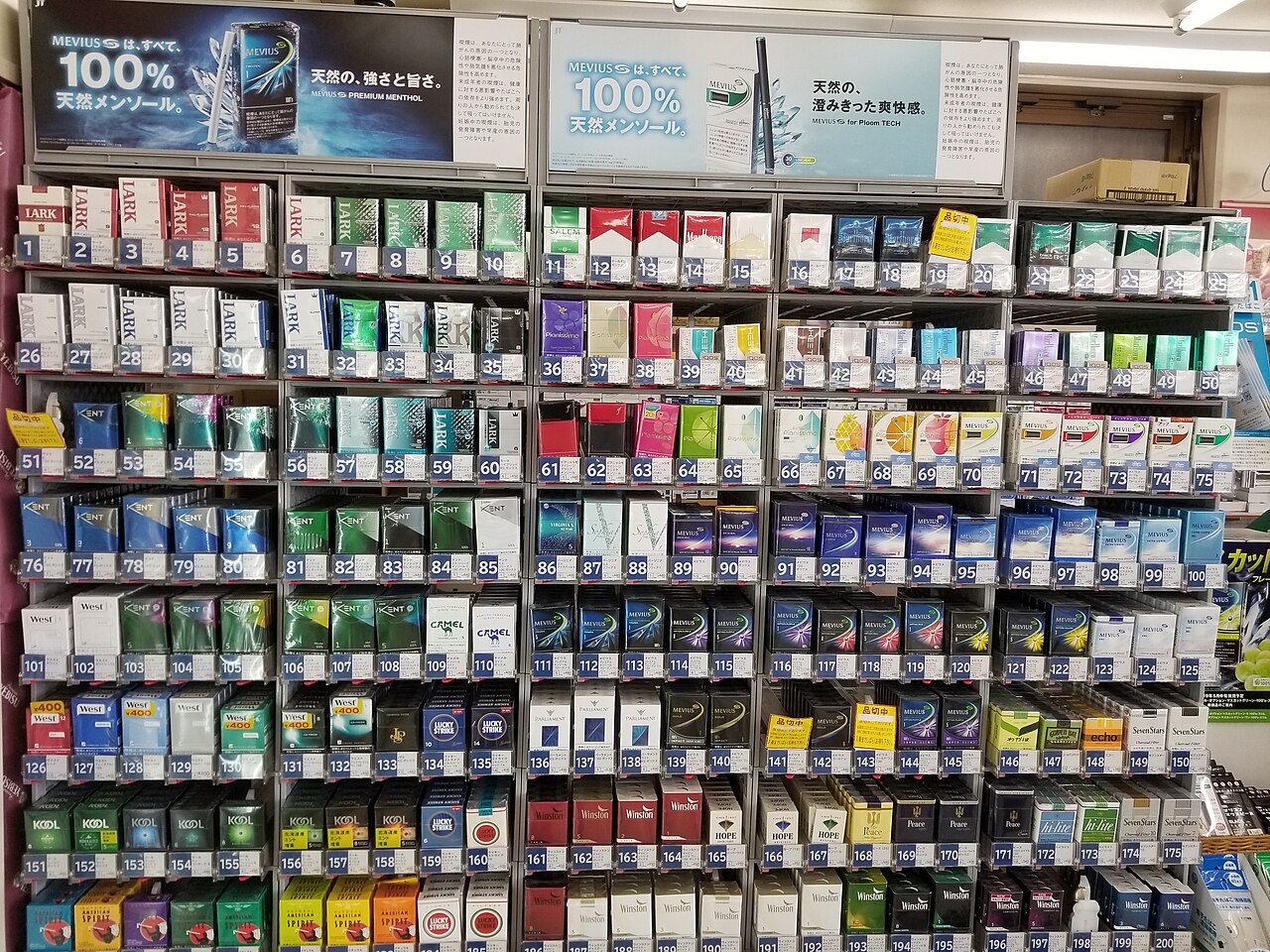
Alcohol and tobacco sales are strictly regulated. Identification checks are mandatory, and some vending machines incorporate facial-recognition technology to verify age. Due to strict public smoking bans and heavy fines for littering, many smokers carry portable ashtrays or gather in designated smoking areas near stores.
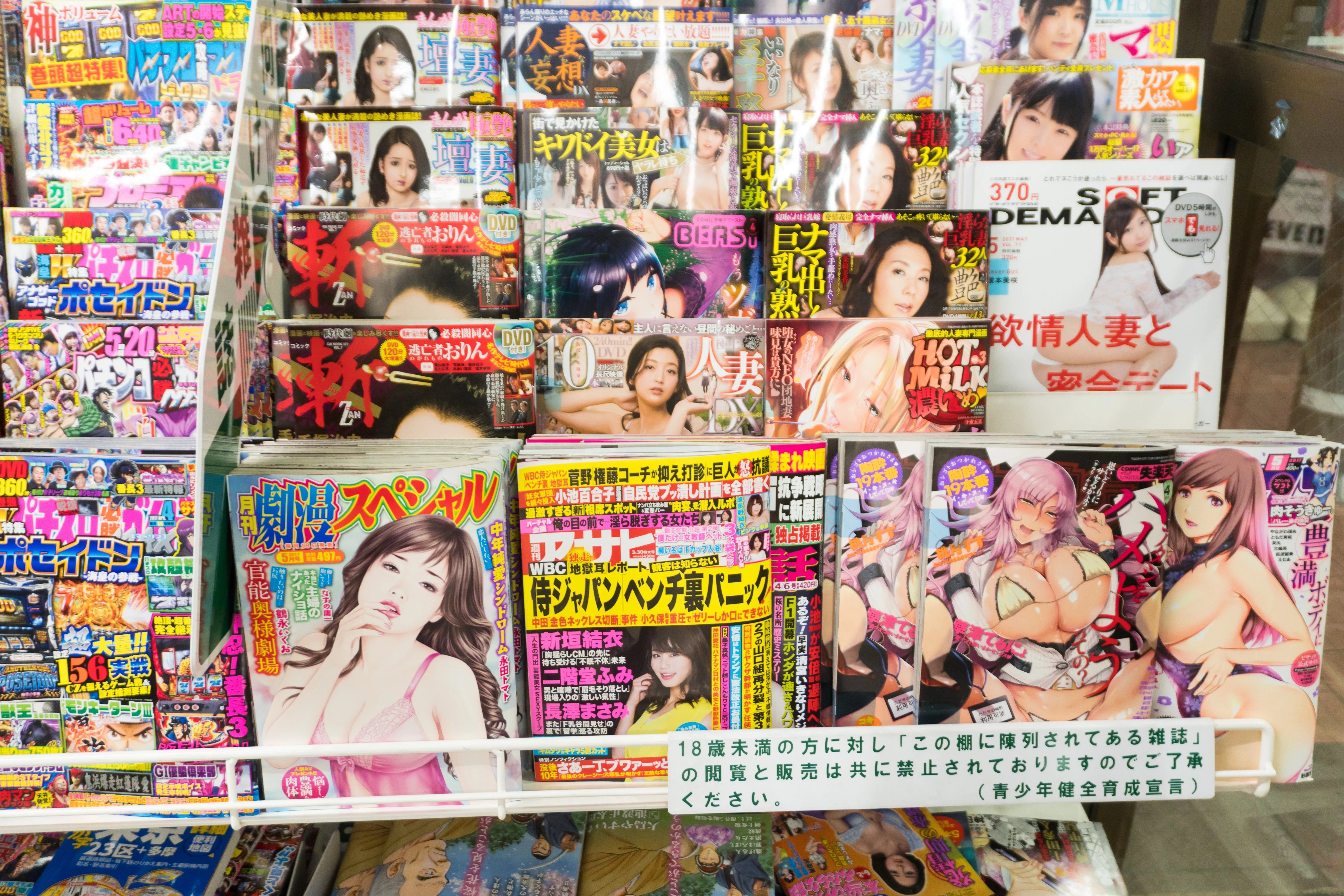
One historically distinctive—and controversial—feature has been the “adult magazine” section. Traditionally placed near store entrances and windows to maximize visibility and deter theft, these magazines were long a fixture of konbini. However, in the lead-up to the 2020 Tokyo Olympics and to avoid shocking international visitors, the government and major chains gradually phased them out.
The Intersection with ACG Culture
Japan’s position as a global ACG powerhouse is clearly reflected in its convenience stores. Major chains frequently collaborate with popular intellectual properties to drive foot traffic. FamilyMart has partnered with Hatsune Miku for advertising campaigns and theme songs, while 7-Eleven has featured Detective Conan and Lupin III as “virtual clerks.” Lawson has similarly collaborated with Attack on Titan. For many fans, these virtual characters carry as much appeal as real-world celebrities.

Social Challenges: Waste, Aging, and the 24-Hour Dilemma
Despite their success, convenience stores face growing social challenges. Waste management is a persistent issue. Because public trash bins are scarce in Japan, individuals are expected to take their garbage home. Nevertheless, some people improperly dispose of household waste in convenience store bins at night, creating ongoing problems for staff.

The most serious challenge, however, is Japan’s aging population and labor shortage. It has become increasingly common to see elderly employees—well past traditional retirement age—working part-time shifts behind the counter. To compensate, stores are relying more heavily on foreign workers, particularly international students, who often take on demanding overnight shifts.
This labor shortage has forced a reassessment of the long-standing 24-hour business model. Since 2024, 7-Eleven, Lawson, and FamilyMart have all introduced more flexible operating hours at select locations to reduce employee burnout and control rising labor costs. In high-traffic areas such as subway stations, compact self-service or single-staff mini-stores have also emerged as a cost-saving solution.
Payment Habits and Digital Trends
Despite being an advanced technological society—and the birthplace of the QR code—Japan remains heavily cash-oriented. Strong concerns about privacy and the near-absence of counterfeit currency mean that many people still carry coin purses filled with multiple denominations.

While konbini widely accept IC cards such as Suica and standard credit cards, they have increasingly adapted to the influx of Chinese tourists by supporting Alipay and WeChat Pay. Many stores also offer tax-free shopping or small discounts of around 5% for cashless payments. Following the consumption tax increase from 8% to 10%, electronic payments have seen modest growth as consumers seek reward points to offset the higher tax burden.
Conclusion
Ultimately, Japan’s convenience stores serve as a mirror of the society they support. They balance the demands of a fast-paced urban workforce with the realities of an aging, labor-constrained population. While larger markets may offer greater variety, the konbini provides something more essential: a reliable, brightly lit presence in the urban night—offering a hot meal, a drink, or a brief moment of comfort to anyone passing by.
Related Articles

You may also like...



International Hostess Bar Since 1993
夢
ORIGIN
・ International Hostess Bar since 1993
・ Japanese Hospitality with International Service
・ Diverse and Charming Floor Ladies
・Located in Shinjuku, Tokyo
・Transparent Pricing
・Easy Online Reservations




-Aug-03-2024-02-44-14-8188-AM.webp)