Hachimaki: The Spiritual Fabric of Japan’s Perseverance
In the world of Japanese cinema and animation, a character tying a strip of cloth around their forehead is a universal signal that something significant is about to happen. Known as the hachimaki (鉢巻)—sometimes referred to as the “one-character towel”—this simple band of fabric is far more than a costume accessory.
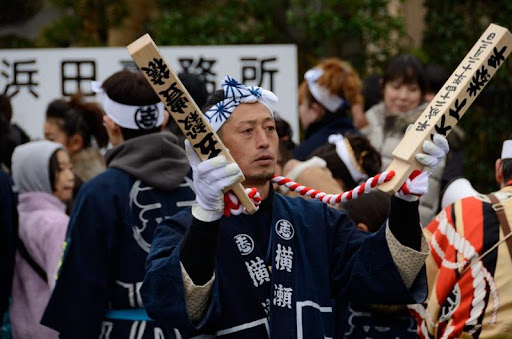
Whether during the humid rainy season or under the scorching sun of an August festival, the hachimaki is a familiar sight across Japan. It embodies a culture defined by intensity, focus, and unwavering dedication.
A History of Function and Ritual
The origins of the hachimaki can be traced back more than 800 years to the Heian period. Initially, it served a purely practical purpose for those engaged in manual labor or physically demanding activities—absorbing sweat and keeping hair out of the eyes.

As the samurai class rose to prominence, however, the hachimaki began to evolve. When warriors tied white cloth around their heads before charging into battle, the act transformed from simple utility into ritual. Over time, this strip of fabric became closely associated with “fighting spirit” and the determination to push forward in the face of adversity.
.jpg)
This deep cultural integration is evident in Edo-period ukiyo-e woodblock prints, which depict commoners working, samurai fighting, and even supernatural beings dancing—all wearing hachimaki. Such imagery reveals how the headband became inseparable from Japanese identity.
The Art of the Fold: Common Types of Hachimaki
Despite modern fashion trends and elaborate hairstyles, the hachimaki remains a respected accessory, with distinct styles for different roles and wearers.

Nejiri-hachimaki (Twisted Style)
Primarily worn by men, this twisted or rolled style is the most accessible for beginners. It is typically made from a cloth strip about five centimeters wide. The fabric is folded inward to hide the edges, twisted into a cord, and tied so that the knot’s “tails” point upward—often achieved by resting the cloth on the knee or ground while tying.
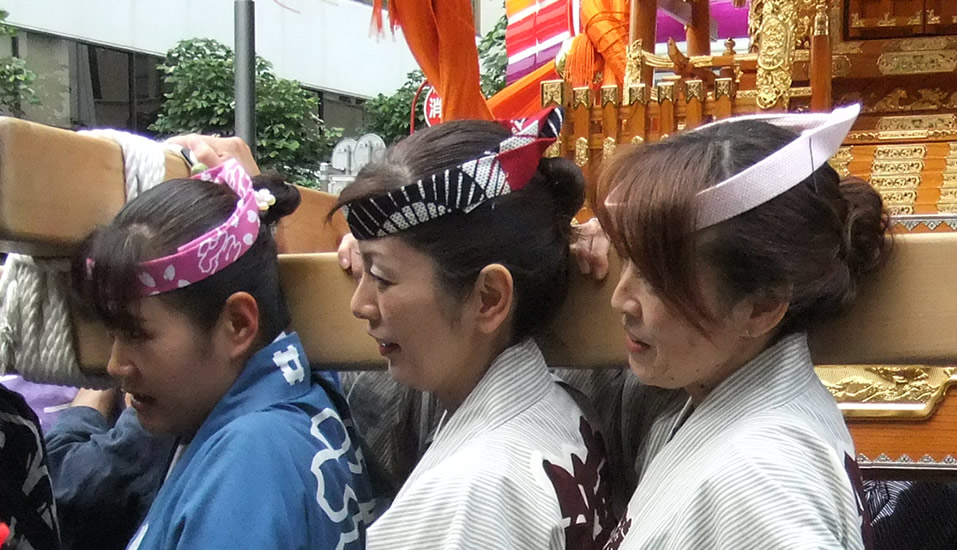
Kuwagata-hachimaki (Ship-Shaped Style)
Designed mainly for women, this style takes its name from the kuwagata (stag beetle), mimicking the shape of its pincers. While still made of cloth, it is stiffer and more upright than the male version, often featuring bright colors and patterns that resemble the silhouette of a small boat.

Yuiage-hachimaki (Knotted Cord Style)
Unlike the previous styles, this version is made from rope or cord rather than flat fabric. It is more technically demanding, requiring precise weaving and bending through specific gaps to form a structured, three-dimensional shape.
Symbolism in Color and Material
The colors of a hachimaki are never arbitrary, especially during traditional festivals.

White symbolizes purity and the sun
Purple represents divine nobility
Red signifies luck and courage
The act of “knotting” (musubi) carries deep philosophical meaning in Japan, symbolizing life, fate, and human connection—a concept famously explored in Makoto Shinkai’s film Your Name.

Materials also vary by season and occasion. On Children’s Day, for example, children may wear hachimaki made from irises (shōbu). The word shōbu is a homophone for “victory or defeat,” and parents traditionally have their children wear these botanical headbands and bathe in iris-infused water to pray for strength and healthy growth.
In Kabuki theater, color functions as silent language. A purple headband known as a yamai-hachimaki (“sick hachimaki”) signals illness to the audience. This convention originated from the ancient practice of soaking headbands in purple plant roots for medicinal purposes, allowing viewers to immediately understand a character’s condition without dialogue.
From the Shinsengumi to Modern Laborers
One of history’s most iconic hachimaki-wearing groups was the Shinsengumi, a special police force active during the late Edo period. Often described as a historical “boy band,” they were admired for their disciplined image and distinctive style: light blue (asagi-iro) haori coats with mountain-shaped sleeve patterns, completed by long white hachimaki tied at the back of the head.
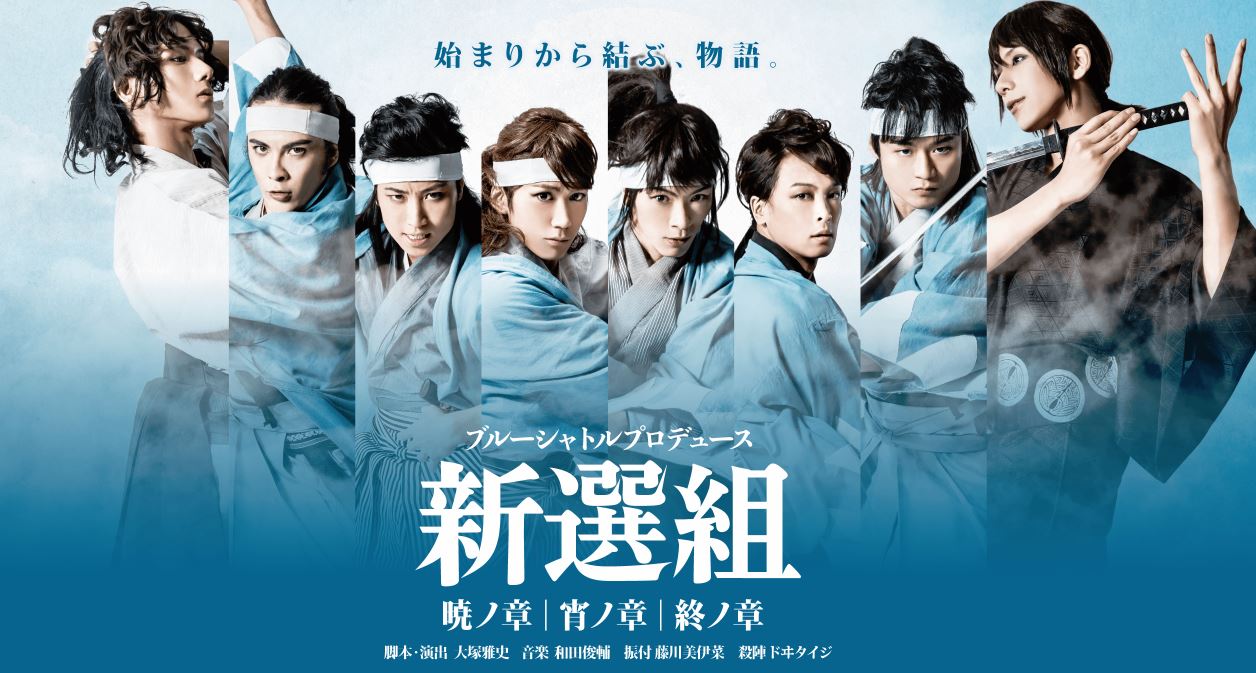
Although the group later adopted all-black uniforms during the Meiji era, their original white-headband look remains beloved among fans of Japanese history and fashion.
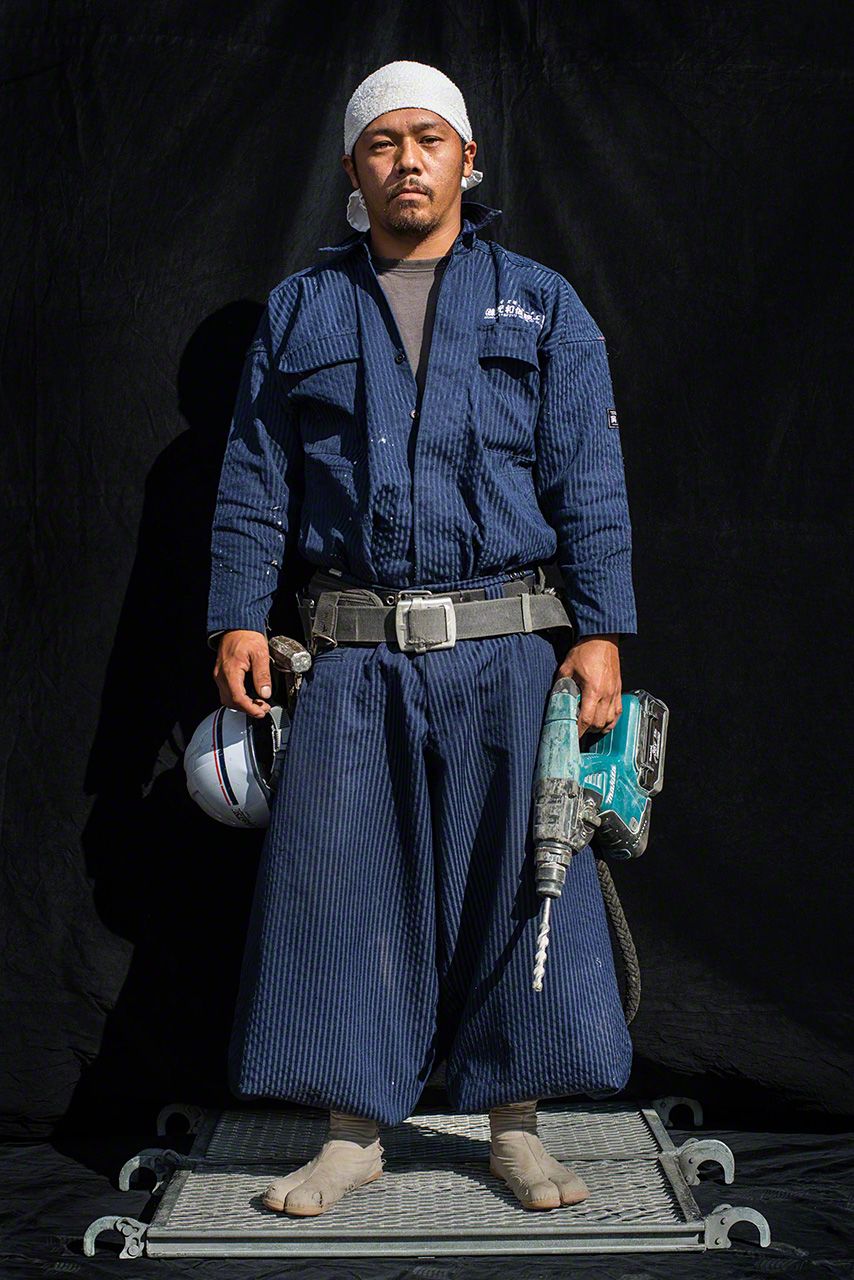
Today, the spirit of the hachimaki survives in the construction industry. Workers across urban Japan are frequently seen wearing loose nikka pokka pants with white towels wrapped around their heads—modern echoes of the traditional hachimaki, serving the same purpose of protection and sweat absorption.
A Symbol of the “Fighting Soul”
In contemporary Japan, the hachimaki is most visible as a tool for mental motivation. Students preparing for high-stakes entrance exams often wear headbands printed with phrases such as “Number One,” “Success,” or “Certain Victory” to sustain morale during long study hours.

In athletics—especially track and field (rikujō) and long-distance relay races (ekiden)—hachimaki are a striking presence. Runners wear headbands bearing their names, school affiliations, or rare four-character idioms such as:
Ichizō shuchū (total concentration)
Washin shōtan (enduring hardship)
Suiteki issei (“constant dripping wears away stone”)
This expression of fighting spirit (dōkon) lies at the heart of the Yamato ethos: competing not only against others, but against one’s own limits. It is this inner struggle that allows hachimaki culture to persist even in Japan’s modern “Relaxed Generation.”
A Microcosm of a Nation
What appears to be a simple headband is, in reality, a microcosm of Japanese society. Ordinary citizens show remarkable enthusiasm for preserving tradition. It is not unusual for salarymen with standard office jobs to spend their free time attending workshops or studying books simply to learn the correct way to fold and tie a hachimaki.
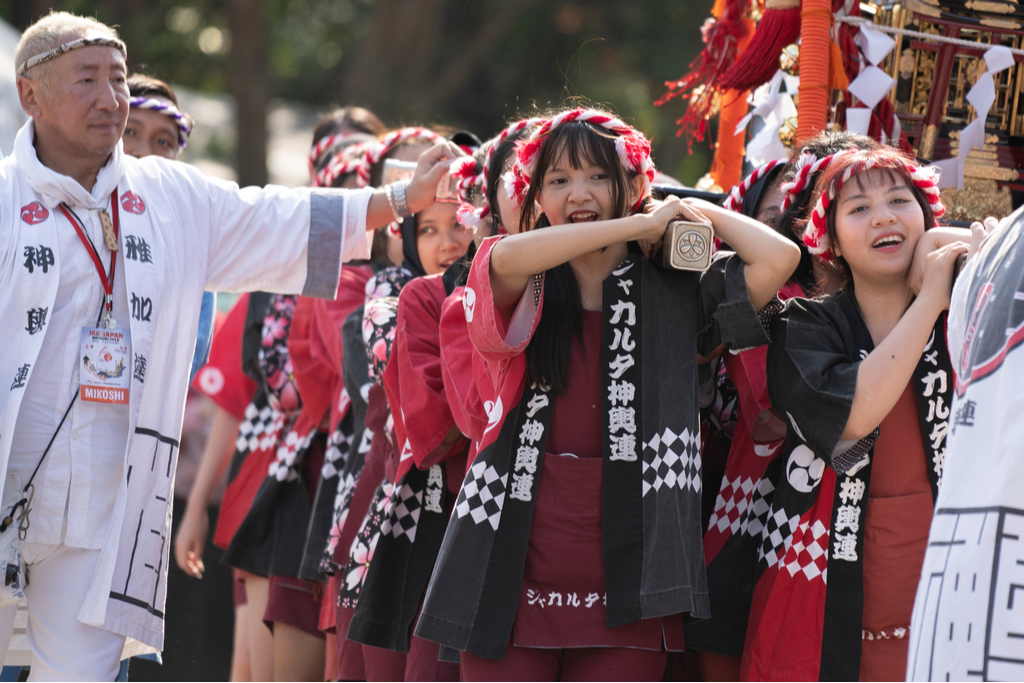
This dedication is passed down through generations. Children learn festival drumming, while elderly citizens—despite physical pain—insist on helping carry heavy portable shrines (mikoshi) as sincere offerings to the gods. Tradition cannot protect itself; it survives only through the will of those who choose to guard it.
On a summer night in Japan, the streets become living memory. Boutique owners don yukata to join the Awa Odori dance, sushi chefs play the shamisen, and bakery owners teach foreign visitors the steps of Bon Odori. Whether it is the hachimaki, torii gates, cherry blossoms, or Mount Fuji, these symbols are etched into the nation’s collective consciousness—reminding individuals and communities to support one another in the pursuit of meaning and happiness.
Related Articles


You may also like...
.jpg)


International Hostess Bar Since 1993
夢
ORIGIN
・ International Hostess Bar since 1993
・ Japanese Hospitality with International Service
・ Diverse and Charming Floor Ladies
・Located in Shinjuku, Tokyo
・Transparent Pricing
・Easy Online Reservations